
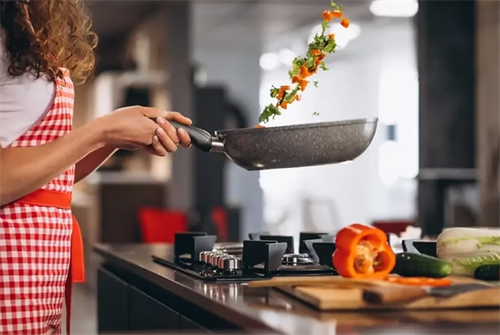
Managing a household efficiently is about more than just cooking—it’s about time management, resource optimization, and creating a kitchen environment that reduces stress. Over the past few years, I’ve explored dozens of kitchen tools, yet three stand out as transformative investments. They streamline meal prep, preserve ingredients, and maintain a tidy kitchen.
I. Why Cooking Efficiency Matters
Cooking at home is essential for health, cost savings, and sustainable living. According to the US Department of Agriculture (2023), households cooking at least five times a week spend 28% less than those dining out and consume 20% more fruits and vegetables [1]. Yet, for many adults managing a household, time constraints and limited kitchen space make cooking feel overwhelming.
Efficiency is not just about speed; it’s about combining the right tools with habits that simplify meal preparation, reduce waste, and maintain consistency. In my own experience, I noticed how small investments in certain appliances and tools saved hours each week and significantly improved meal quality.
II. Essential Kitchen Tool 1: Multi-Functional Pressure Cooker
Why It’s Worth It
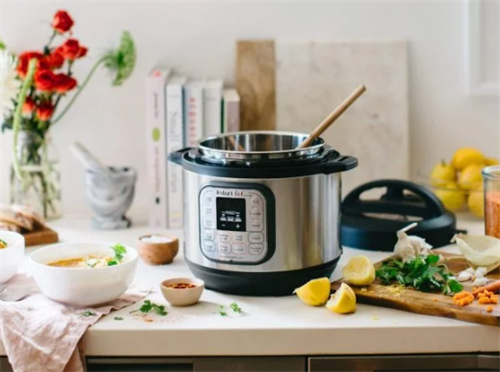
My first major investment was a multi-functional electric pressure cooker. I initially purchased it to cook beans and grains faster, but I discovered its versatility extends to stews, braised dishes, and even yogurt.
Case Example: Last December, I hosted three colleagues. Using my pressure cooker, a beef stew that normally takes 3 hours was ready in under 50 minutes—tender, flavorful, and consistent.
Insights from Other Users: Home appliance reviews from Liaoning Province highlight that devices like combined steam-and-bake machines, often criticized, are surprisingly practical for young adults seeking efficiency and smoke-free cooking. They replace multiple small appliances and increase cooking variety [5].
Practical Tips
Batch Cooking: Prepare grains, proteins, and legumes in large quantities. Store in vacuum-sealed containers for the week, reducing daily prep time by up to 60%.
Use Multi-Functions: Many models have sauté and slow-cook functions. Browning ingredients before pressure cooking enhances flavor.
Sustainable Choice: Studies show pressure cooking reduces household energy use by up to 50% compared to conventional stovetop methods [2].
III. Essential Kitchen Tool 2: Vacuum Sealer
Why It’s Worth It
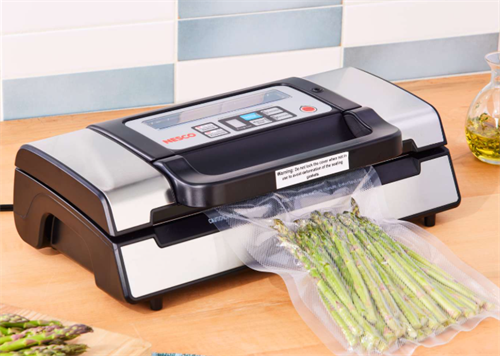
Even with efficient cooking, ingredients often spoil before I can use them. A vacuum sealer solved this problem, extending the freshness of vegetables, proteins, and pre-cooked meals by up to five times.
Case Example: Fresh mushrooms intended for stir-fry stayed perfectly fresh for four days thanks to vacuum sealing, preventing waste and saving money.
Related Items: Many small storage innovations, such as wall baskets, rolling drainage racks, and adjustable faucet converters, complement vacuum sealing. These small appliances optimize kitchen workflow and make ingredients more accessible [3][4].
Practical Tips:
Pre-Portion Ingredients: Divide proteins, grains, and vegetables into single or double meal portions for quick use.
Enhanced Marination: Vacuum sealing with marinade reduces absorption time from hours to minutes.
Organized Freezer: Label bags with contents and dates. Rotate inventory weekly to use older items first.
Evidence: The Journal of Food Preservation (2023) confirms vacuum sealing extends shelf life of perishables by 70–90%, reducing food waste and increasing household efficiency [3].
IV. Essential Kitchen Tool 3: Digital Kitchen Scale
Why It’s Worth It
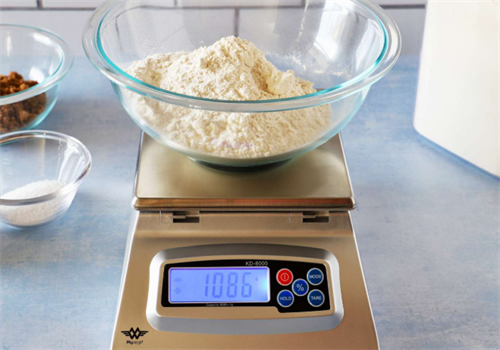
Precision matters, especially for meal prep and baking. A digital kitchen scale ensures accurate portions, prevents overbuying, and reduces inconsistencies in recipes.
Case Example: Baking bread weekly became consistent and predictable. Using the scale eliminated wasted ingredients caused by inaccurate measurements.
Supporting Kitchen Items: Tools like TPU cutting boards, multifunctional food processors, and even beakers with measurement scales help ensure precision and hygiene in cooking [6].
Practical Tips
Tare Function: Always zero out the container before weighing.
Meal Planning: Use scales to portion proteins and carbs for consistent nutritional intake.
Recipe Consistency: Save favorite recipes with weight-based measurements for repeatable results.
Research Insight: Nutrition Today (2024) notes that households using precise measurement tools had 25% lower calorie variance per meal [4].
V. Additional Practical Kitchen Tools I’ve Adopted
While the three tools above are my primary efficiency boosters, over the past two years, I’ve also found these items invaluable:
1. Kitchen Wipes: Disposable wipes with cleaning agents keep countertops, stove tops, and hoods spotless, reducing daily cleaning stress.
2. Cabinet-Hanging Trash Cans: Floor-free trash solutions simplify waste management and free up kitchen floor space.
3. Battery-Powered Countertop Lamps: Rechargeable lights improve visibility when prepping ingredients without rewiring cabinets.
4. Storage Trolleys: Multi-level trolleys act as temporary workbenches for ingredients and seasonings, especially in small kitchens.
5. Wall Storage Baskets: Efficiently utilize vertical space without cluttering the kitchen. Avoid oversized baskets that may make the space look messy.
6. Faucet Converters: Adaptors improve water flow control for cleaning corners and rinsing kitchenware.
7. Oil Absorption Papers for Range Hoods: Prevent sticky oil residue and simplify hood maintenance.
8. Rolling Tray Drainage Racks: Rollable drying racks save counter space and improve hygiene.
9. Dough Mixing Pads: Compact, easy to clean, and better than traditional boards for kneading.
10. Adjustable Temperature Electric Water Heater: Heats water to precise temperatures for tea, coffee, or cooking, reducing wait times.
Other frequently underestimated appliances that have become indispensable include:
-Sloped-Bottom Dishwashers: Ideal for small households; can wash tableware, fruits, and even seafood efficiently.
-Garbage Disposers: Reduce kitchen waste accumulation, prevent odors, and minimize pest risks.
-Integrated Steam-and-Oven Machines: Smoke-free cooking, replacing ovens, microwaves, and air fryers for healthy meal prep.
-Blenders: Despite noise, modern self-cleaning blenders are practical for juices, purees, and baby food.
-Electric Griddles: Versatile for breakfast, parties, and roasting nuts or peppers quickly.
-Cast Iron Cookware: Provides durable non-stick surfaces after seasoning, adding iron to diets.
-Stainless Steel Non-Stick Pans: Quick heat-up and easy cleaning, perfect for daily stir-frying.
-Large Chopping Boards: Essential for meal prep, with wood, bamboo, or TPU options.
-Enamel Cups & Beakers: Durable, multi-functional, and precise for liquids or small items.
-Silicone Kitchenware & Spatulas: Gentle on cookware, versatile, and hygienic.
-Metal Lunch Boxes: Lightweight, odor-resistant, and convenient for work meals.
-Professional Knives: High-quality knives reduce prep time and improve cutting efficiency.
VI. Integrating Tools into a Workflow
Combining the three core tools with additional gadgets allows a smooth, efficient workflow:
Meal Planning: Measure ingredients using digital scales; pre-portion for the week.
Batch Cooking: Use the pressure cooker for proteins, grains, and legumes.
Efficient Storage: Vacuum seal meals and ingredients, then store in optimized cabinets or rolling trolleys.
Regular Maintenance: Use wipes, oil absorption papers, and wall baskets to maintain cleanliness.
This workflow reduces daily meal prep time by nearly 50%, minimizes waste, and creates a stress-free environment.
VII. Challenges and Solutions
High Initial Costs: Focus on tools that replace multiple functions, like multi-functional cookers or food processors.
Learning Curve: Invest time in tutorials to master appliance use.
Storage Limitations: Optimize vertical space with wall baskets, rolling trolleys, and compact appliances.
Conclusion
The combination of multi-functional pressure cookers, vacuum sealers, and digital scales, along with supporting gadgets, transforms daily cooking into an organized, efficient, and stress-free experience. Efficiency is achieved not through shortcuts, but through deliberate investment, proper use, and consistent habits. Start with a few key tools, integrate them gradually, and optimize your kitchen workflow—your meals, wallet, and mental energy will all benefit.
References:
[1] United States Department of Agriculture. (2023). Home cooking and household spending patterns. https://www.usda.gov/topics/food-nutrition
[2] Cornell University. (2024). Energy efficiency of pressure cooking: Comparative analysis. https://www.cornell.edu/research/pressure-cooking
[3] Journal of Food Preservation. (2023). Vacuum sealing and its effects on food longevity. https://onlinelibrary.wiley.com/journal/jfp
[4] Nutrition Today. (2024). Digital kitchen scales and dietary consistency: A household study. https://journals.lww.com/nutritiontoday
[5] Home Appliance Superman. (2025). Five underestimated kitchen appliances you won't live without. https://www.happliancesuperman.cn/kitchen
[6] The Cookbook. (2016). Kitchen: A Sanctuary for Healing Life. https://www.thecookbook.com/kitchen-lifestyle
Author Bio
David Thompson is an independent researcher and writer in the fields of home cooking efficiency and kitchen tools. He holds an engineering background and has over 10 years of practical cooking experience. He used to be a product manager in the technology industry and later focused on converting complex technical principles into understandable kitchen guidelines for ordinary people. David is a member of the Institute of Culinary Professionals (IACP) in the United States and has written a series of columns for the "Kitchen Technology" magazine. His works aim to help modern families achieve a more efficient and enjoyable cooking experience within limited time. Currently, he lives in Portland, the United States, with his wife and two children. The kitchen at home is still being continuously optimized.
Disclaimer
This article is for informational purposes only and does not constitute professional advice. Results may vary based on individual circumstances. Users should exercise judgment and consult professionals when necessary.
Recommend:

Save Your Clothes: 5 Essential Stitches + Stain Removal Techniques I Learned

The 1+3 Drink Rule: How I Host Gatherings Without Bartending
3 Affordable Methods I Use to Teach My 5-Year-Old Child to Put Toys Back
The Beginner's Home Maintenance Toolkit: How to Fix 80% of Household Problems Yourself