
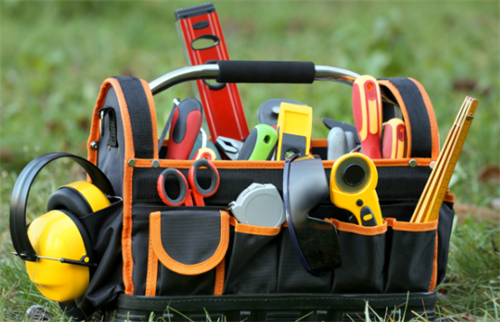
Managing a home is one of the most practical—and potentially stressful—aspects of adult life. Over the years, I’ve learned that having a reliable toolkit, clear systems for storing tools, and the skills to use them transforms home maintenance from a dreaded task into a manageable part of daily life.
Why Basic Home Maintenance Skills Matter:
Before diving into tools and techniques, let’s understand why this knowledge is valuable:
According to a 2022 U.S. Census Bureau report, the average annual spending on home maintenance and repair per household was over $3,200 (U.S. Census Bureau, 2023).
Many of these costs come from hiring professionals for tasks you can learn to do yourself with confidence, like replacing fixtures or unclogging drains.
Chapter 1: The Value of a Personal Tool Kit
1.1 Why Homemade Tool Kits Outperform Pre-Made Sets
I learned early that pre-packaged toolkits often fail to meet real household needs. When I purchased my first set, I encountered the common issues Popular Mechanics describes: a flimsy hammer, wrenches of unknown sizes, and a retractable ruler that wouldn’t retract. Within three months, most of it was replaced. The key problems were:
Quality compromise: Low-cost materials in crucial components break easily.
Redundancy and deficiency: Excess small accessories but missing the core tools needed.
Fixed configuration: Cannot grow with your skills or adapt to real problems.
The solution? Build your own toolkit. Start with core tools and expand gradually as new needs arise. Each addition is intentional, solving real problems and growing with you.
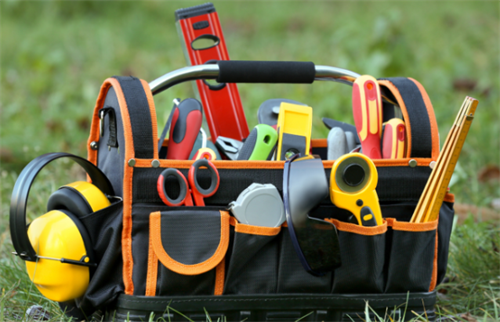
Chapter 2: Core Toolkit – Solving 80% of Daily Problems
2.1 Manual Tools – The Foundation
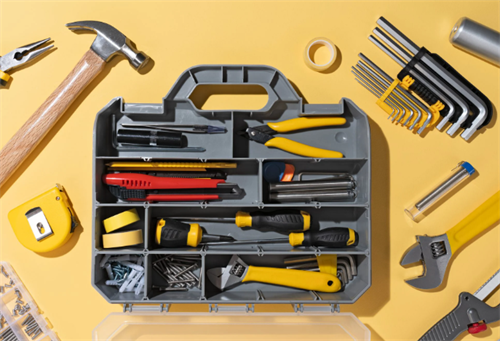
Screwdriver Set (Phillips/Slotted): My German Wera Kraftform screwdrivers are ergonomically designed and durable. Keep the tool perpendicular to the screw; use WD-40 if a screw is stubborn.
Pointed-Nose and Curved-Nose Pliers: German Knipex pliers offer precise grip and cutting power. Use pliers only for gripping, not for screws.
Measuring Tape: The Stanley Fatmax 25-foot tape is reliable, with a sturdy metal hook and accurate measurements essential for furniture placement and shelf installation.
Hammer: I use an Estwing 16-ounce hammer with shock-absorbing handle for driving nails, minor demolition, and small disassembly tasks.
Adjustable Wrenches: Two sizes—6 inches for small nuts, 10 inches for faucets and pipe connections. Irwin wrenches grip tightly without slipping.
2.2 Electric Tools – Efficiency Boosters
Charging Drill (Ryobi 18V): Drills holes, tightens screws 5× faster than manual methods, mixes paint, or removes rust with a wire brush. Use low torque for delicate tasks; adjust speed for material type.
Electric Screwdrivers and Mixers: Expand capability, making furniture assembly, shelf installation, and painting preparation faster.
2.3 Measuring and Testing Instruments – Safety and Accuracy
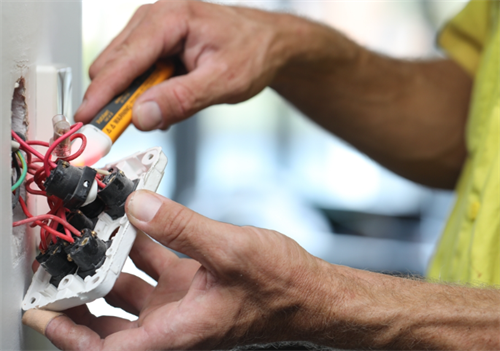
Electrical Tester (Contact and Non-Contact): Ensures circuits are safe before work. Always test on a known live source first.
Level: Stanley aluminum level with rotating scale detects even minor tilts, essential for shelves, pictures, and furniture assembly.
2.4 Supplementary Tools – Attention to Detail
WD-40: Loosens rusted screws, quiets door hinges, removes residual adhesives.
Plumbing Kit: Plunger and manual snake handle most clogs, saving at least 150 yuan per incident.
Sealant/Glue Guns: For small leaks or gaps around sinks, tubs, and windows.
Strong Adhesive Tape & Zip Ties: Temporary fixes and cable organization.
2.5 Storage System – Always Ready
Transparent storage boxes with wheels under my bed allow easy access. Principles:
Common tools on top layer.
Group similar items together.
Compartment boxes for screws, anchors, and small items.
Professional organizers at Homes and Gardens recommend a “reset system”: spend five minutes each night returning tools to their spots. This ensures readiness for emergencies.
Chapter 3: Three Entry-Level Projects for Beginners
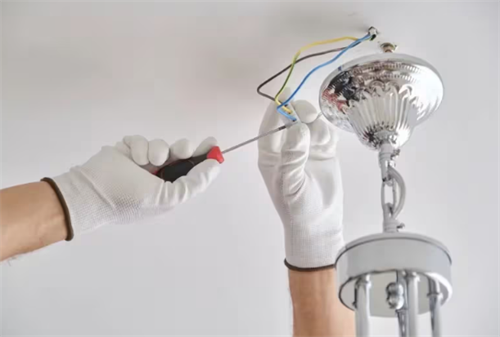
3.1 Replacing Light Bulbs and Fixtures (Difficulty: ★☆☆☆☆)
Tools: Electrical tester, insulating gloves (optional), new fixtures
Steps:
Turn off the circuit breaker.
Confirm power is off with a tester.
Remove old bulb/fixture; take a photo for wiring reference.
Connect new fixture (live wire: red/brown, neutral: blue/black).
Secure fixture, restore power, test.
3.2 Drainage System Maintenance (Difficulty: ★★★☆☆)
Tools: Plunger, manual snake
Steps:
Remove standing water.
Position plunger over drain, press rapidly to create suction.
If needed, insert the snake and rotate clockwise until resistance disappears.
Extract, flush with hot water.
Case Example: My small hand snake has cleared hair clogs in three instances, each saving professional service fees.
3.3 Wall Repair (Difficulty: ★☆☆☆☆)
Tools: Wall patching compound, scraper, sandpaper
Steps:
Clean loose plaster around the hole.
Fill with patching compound.
Level surface and let dry.
Sand smooth; repaint if needed.
Chapter 4: Practical Plumbing Toolkit
Some household plumbing tools are essential:
Plunger (Cup & Flange): For sinks, tubs, and toilets.
Adjustable Wrenches (6–10 in): Handle faucet and pipe connections.
Basin Wrench: Reaches nuts behind sinks.
Small Hand Snake: Removes hair or debris.
Caulk Gun: Seals edges around sinks, tubs, and windows.
Thread Tape/Sealant: Prevents leaks.
PPE: Gloves, goggles, masks.
Flashlight/Headlamp: Illuminates dark areas under sinks.
Dish Soap: Helps dissolve grease in drains.
Shop Vac: Handles water spills efficiently.
Pipe Wrench: Secures threaded pipes; protect surfaces with cloth.
When to Call Professionals: Structural concerns, gas lines, main water pipes, and major renovations require licensed experts.
Chapter 5: Electrical Safety Basics
Always turn off the circuit breaker before working.
Use a tester to confirm power is off.
Replace sockets, switches, or fixtures with proper guidance.
Electrical failure is a leading cause of household fires (NFPA, 2023).
Chapter 6: Furniture, Doors, Windows, and Floors
Tighten screws or use longer replacements for wobbly furniture.
Lubricate hinges and adjust doors/windows to prevent noise and energy loss.
Repair minor floor damage in wood or laminate with filler or sanding.
Chapter 7: Household Appliances and Seasonal Maintenance
Clean and maintain appliances to extend life.
Replace HVAC filters every 1–3 months to improve efficiency (EPA, 2023).
Inspect roof, gutters, and drainage to prevent water damage.
Check smoke and carbon monoxide detectors regularly.
Chapter 8: When to DIY and When to Hire Professionals
DIY: Daily maintenance, simple replacements, minor repairs.
Professional Required: Gas lines, complex wiring, structural issues, major pipeline renovations.
Judgment: Consider risk of injury, fire, water, or structural damage. If the task requires government permits, consult professionals.
Chapter 9: Toolkit Maintenance and Growth
Keep tools clean and dry.
Lubricate moving parts.
Replace worn bits and tips.
Expand toolkit gradually:
Phase 1: Core 10 tools
Phase 2: Multimeter, soldering iron
Phase 3: Laser rangefinder, thermal imaging devices
My personal toolkit began with a 230 yuan faucet replacement. Over three years, I spent ~2,000 yuan, but each tool has “paid off” multiple times—both financially and in confidence.
Chapter 10: Long-Term Value of Home Maintenance
Mastering these skills preserves and increases home value. Regular preventive care avoids costly emergency repairs. Most minor household problems do not require professional expertise—just the right tools and the courage to try. Start small, add tools as you solve real problems, and over time, home maintenance becomes routine and stress-free.
References:
[1] U.S. Census Bureau. (2023). Annual home maintenance cost data. https://www.census.gov
[2] McKinsey & Company. (2024). China Consumer Trend Research. https://www.mckinsey.com
[3] Environmental Protection Agency. (2023). WaterSense program and HVAC efficiency. https://www.epa.gov
[4] National Fire Protection Association. (2023). Electrical failures and household fires. https://www.nfpa.org
[5] HomeAdvisor. (2024). Home maintenance statistics. https://www.homeadvisor.com
Author Bio
Robert Martinez is an independent researcher and writer in the field of family life management. He holds an engineering background and has over 10 years of practical experience in home maintenance. He previously served as a product manager in the technology industry and later focused on converting complex technical knowledge into practical guides that are accessible to ordinary people. Robert holds relevant training certifications from the American Society of Home Inspectors (ASHI) and has written a series of columns for the "Home Serviceman" magazine. His works aim to help adults gain a sense of control over their living spaces, making "hands-on problem-solving" no longer the exclusive talent of a few but an optional skill for everyone. Currently, he lives in Seattle, USA, with his wife and two children, and the tool kit in his home is still expanding.
Disclaimer
This article is for educational purposes and general guidance only. It is not a substitute for professional advice. Some repairs involve risk; always ensure safety, follow manufacturer instructions, and hire licensed professionals when tasks exceed your skills.
Recommend:

Improving Cooking Efficiency: 3 Kitchen Tools I Invested In and Their Ultimate Usage

No More Cross-Contamination: My Refrigerator Zoning Method + Container Guide
The Beginner's Home Maintenance Toolkit: How to Fix 80% of Household Problems Yourself

From Chaos to Order: My Step-by-Step Bedroom Corner Hanging Storage System for Clean Clothes