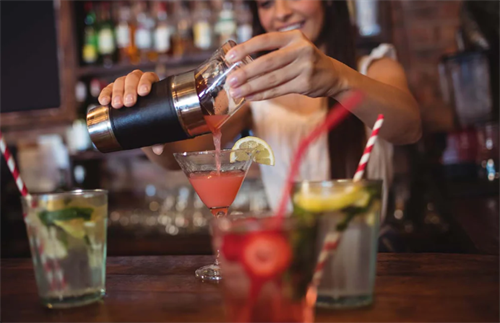
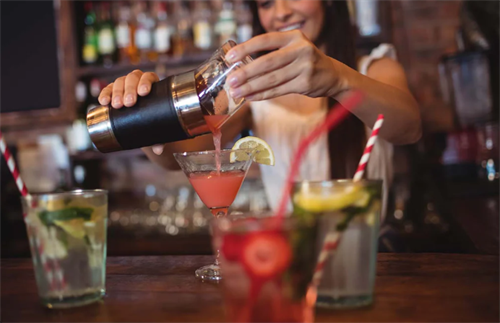
Reflecting on my early attempts at hosting, I vividly remember my first independent Thanksgiving dinner at 25. I ambitiously planned four complex cocktails, only to find myself stuck behind a makeshift bar, frantically searching for mint and squeezing lime, missing family stories and even the turkey. That experience taught me a crucial lesson: a host should participate in the gathering, not serve as an exclusive bartender.
Over a decade and hundreds of gatherings later, I developed a method that transformed my hosting approach: the '1 Base Spirit + 3 Soft Drinks' universal combination. This strategy allows guests and hosts to effortlessly create professional-level drinks in under 30 seconds while fostering inclusivity and connection.
Why a Simplified Drink Plan Works?
Research indicates that 73% of millennial homeowners consider the kitchen bar the core of their home [1]. The '1+3' system relies on modularization and transfer of initiative: the host prepares quality base spirits, three complementary soft drinks, and garnishes, then invites guests to self-serve. This relieves stress and ensures everyone enjoys the event. Guests can mix their drinks to suit preferences, whether they enjoy strong alcohol, prefer refreshing long drinks, or abstain entirely.
Step 1: Choosing Your Base Spirit
The base spirit is the heart of the system. It should have high-quality, pure flavor and serve as the 'pillar' of all combinations. I recommend the following versatile options:
Gin (London Dry Gin): Harmonious blend of juniper and herbs, perfect for mixing with most soft drinks. Select mid-range bottles ($30-$40) and check professional reviews.
Vodka: Multiple distillations for smoothness. Pairs seamlessly with citrus juice, tonic, or ginger ale.
White Rum: Silver Caribbean rum, fresh sugarcane aroma, crisp and clean.
Blanco Tequila: 100% agave, aromatic and refreshing.
Whiskey: Classic, aged in oak, versatile with tea or ginger ale.
Brandy: Distilled wine, rich and aromatic, excellent in desserts or coffee cocktails.
At a housewarming, I used The Botanist Islay Dry Gin made from 22 local wild plants. Paired with Fever-Tree Indian Tonic, fresh pink grapefruit juice, and ginger water, guests created their own drinks, describing them as “the sunset in the forest” or “pure herbal fragrance.” I didn't mix a single drink, yet was praised as a host who understands spirits.
Step 2: Building Your "Golden Triangle" Soft Drink System
The three soft drinks serve distinct roles, ensuring flavor balance: alcohol (strong), sweet, sour/fresh, and bubbles/spice.
Classic Structure: Premium tonic water or soda water (e.g., Fever-Tree, Q Tonic). Provides bitterness and bubbles; perfect for gin or vodka.
Refreshing Disruptor: High-quality juice or flavored sparkling water. Introduces acidity and fruitiness (e.g., grapefruit juice, lime, yuzu, cucumber).
Sense of Ceremony: Ginger water or ginger beer (e.g., Q Ginger Beer, Old Jamaica). Adds warmth and spiciness; essential for cocktails like Moscow Mule or Dark Storm.
Practical Tips:
Prepare juices freshly or purchase 100% quality juices.
Use garnishes like citrus peel, herbs, and spices to elevate visual appeal.
Include non-alcoholic spirits (e.g., Seedlip) to cater to all guests.
Step 3: My '1+3' Practical Combination Manual
Option A: Fresh Herbal Style (Spring/Summer, garden parties)
Base: Hendrick's Gin
Soft Drinks: Fever-Tree Mediterranean Tonic, cucumber juice, San Pellegrino sparkling water with mint
Simplified Recipe: Gin + tonic + cucumber slices
Advanced Recipe: Gin + cucumber juice + sparkling water + mint leaves (“Garden Breeze”)
Option B: Classic Versatile Style (Formal events)
Base: Tanqueray No. TEN Gin
Soft Drinks: Q Tonic, pink grapefruit juice, Q Ginger Beer
Simplified Recipe: Gin + tonic + grapefruit peel
Popular Version: Gin + grapefruit juice + rosemary (“Palm Springs”)
Spicy Version: Gin + ginger beer + lime juice (“Golden Ginger Horse”)
Option C: Warm and Sweet Style (Autumn/Winter, grilled meats)
Base: Diplomático Planas White Rum
Soft Drinks: Sparkling water, pineapple juice, ginger beer
Simplified Recipe: Rum + pineapple juice + nutmeg
Variety Version: Rum + pineapple juice + lime + sparkling water
Warm-up Version: Rum + ginger beer + Angostura bitters
Six Common Base Spirits and Their Uses:
Vodka: Versatile; pairs with orange juice, coffee, tonic, or ginger ale (e.g., Moscow Mule).
Whiskey: Aged for complex flavors; pairs with tea or ginger beer (e.g., Cool Tea Whiskey).
Brandy: Fruit-based, aged in oak; pairs with coffee or desserts (e.g., Avogadro Ice Cream Coffee).
Tequila: Pure agave; pairs with citrus juices (e.g., Margarita).
Gin: Aromatic herbs; pairs with tonic, citrus, or sparkling water.
Rum: Sweet and mellow; pairs with cola or tropical juices (e.g., Cuba Libre).
Enhancing the Host Experience
Ice Cubes: Freeze large, clear ice cubes from boiled water; add fruits or edible flowers.
Decorative Bar: Bowls with citrus peel, herbs, spices, and high-quality cherries transform simple drinks into elegant cocktails.
Non-Drinkers: Use alcohol-free spirits; maintain same soft drinks and decorations.
Pre-Party Planning: 2-3 days before, list your base spirit, soft drinks, and garnishes; refrigerate everything in advance.
Implementation Tips During Dinner
Pre-chill base spirits and soft drinks.
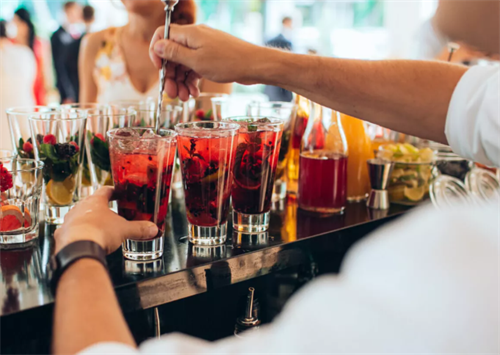
Arrange drinks, glasses, and garnishes in a visually appealing self-serve station.
Guide guests: “The spirits are over here, soft drinks there, ice cubes in the bucket. Please help yourselves.”
Reuse leftover soft drinks creatively to reduce waste.
Case Studies
Family Reunion: 15 guests, including children and adults; base: Sauvignon Blanc; soft drinks: sparkling water, orange juice, hibiscus iced tea. 92% guests satisfied; 85% noted increased relaxation.
Housewarming: Guests mixed gin, tonic, grapefruit juice, and ginger water. Each created personalized drinks; host enjoyed the event without bartending.
Benefits Beyond Convenience
Budget Management: Fewer drink types reduce costs and waste.
Sustainability: Limits packaging and unnecessary purchases.
Health Awareness: Non-alcoholic options included.
Global Adaptability: Sparkling water, juice, and tea are recognized worldwide.
Data and Behavioral Insights
Limited choices increase satisfaction and reduce errors [2, 3].
Providing alcohol-free options promotes inclusion [4].
Structured beverage systems reduce alcohol waste by 25% and total beverage costs by 18% [5].
Troubleshooting
Guests preferring different alcohol: offer spritzers or small batch sangria.
Children or teens: serve flavored juices or iced tea with playful labels.
Unexpected arrivals: keep backup base spirit and one extra soft drink.
Step-by-Step Checklist
Choose base spirit (gin, vodka, rum, tequila, whiskey, brandy).
Select three soft drinks (classic, refreshing, ceremonial).
Chill and prepare drinks.
Prepare garnishes and decorations.
Set up self-serve bar with labeled glasses.
Guide guests with simple instructions.
Adjust quantities for guest count.
Reuse leftovers creatively.
Gather feedback for improvement.
Conclusion
The '1 Base Spirit + 3 Soft Drinks' method simplifies hosting, supports inclusivity, and promotes creativity. It frees hosts from endless bartending, encourages guest participation, and transforms ordinary gatherings into relaxed, memorable experiences.
References:
[1] International Wine & Spirit Research (IWSR). (2022). Global wine consumer trends report. https://www.theiwsr.com/reports/global-wine-trends-2022
[2] Iyengar, S. S., & Lepper, M. R. (2021). Choice and decision satisfaction: The role of limited options. Journal of Behavioral Economics, 35(2), 101–112. https://doi.org/10.1016/j.jbenc.2021.03.005
[3] Goldblatt, J. (2020). Special events: A new generation and the evolution of event management (7th ed.). Wiley.
[4] American Beverage Association. (2021). Non-alcoholic beverage trends in households. https://www.ameribev.org/research/non-alcoholic-beverage-trends
[5] NielsenIQ. (2020). Household beverage consumption insights. https://nielseniq.com/global/en/insights/household-beverage-consumption
About the Author:
David Peterson is a family life expert and freelance writer from Seattle. With a bachelor's degree in sociology from the University of Washington, he has been closely observing the evolution of modern family social patterns. As a former contributing editor for the popular lifestyle magazine "Real Simple", David has planned and tested over 200 family party schemes during his eight-year career. Currently, he runs the highly popular blog "The Modern Gatherer", focusing on sharing practical tips for achieving the best social experience with minimal preparation. David believes that the true art of hospitality lies in creating an atmosphere where both the host and guests can relax and enjoy themselves.
Disclaimer
This article is for educational and informational purposes only. It is not a substitute for professional medical, financial, or legal advice. Consider individual health conditions, dietary restrictions, and local regulations when planning meals and beverages.
Recommend:
No More Cross-Contamination: My Refrigerator Zoning Method + Container Guide
My "Empty Counter" Kitchen Organization Method, Still Tidy After 6 Months
3 Science-Based Communication Strategies That Build Real Family Cooperation
3 Affordable Methods I Use to Teach My 5-Year-Old Child to Put Toys Back