
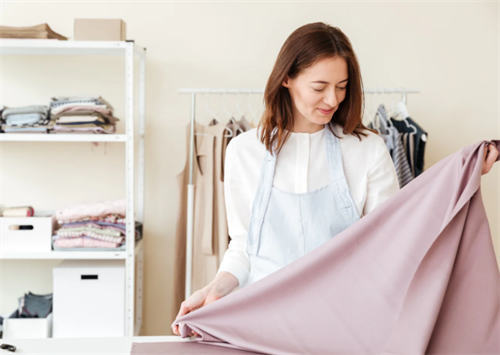
Managing a household involves more than budgeting, meal planning, or cleaning—it’s also about mastering practical life skills that save money, time, and stress. One of the most underestimated skills is basic sewing and clothing care. In a world dominated by fast fashion, many adults throw away clothes with minor defects instead of repairing them. Through experience, observation, and learning from both traditional methods and modern techniques, I discovered how small, consistent efforts in sewing and stain removal can drastically extend the lifespan of garments.
Chapter 1: Why Sewing and Clothing Care Matter
Understanding the Problem
Many households underestimate the environmental and economic impact of discarded clothing. According to the U.S. Environmental Protection Agency (2023), the average American discards roughly 37 kilograms of textiles per year, most of which end up in landfills. Many of these clothes could have been salvaged with simple mending techniques—fallen buttons, small holes, or minor stains often lead to unnecessary disposal.
Abby Seethoff, a mending expert from Brooklyn, emphasizes that even inexpensive clothes can “delay their decomposition” when repaired properly. She still wears a Forever 21 T-shirt purchased in high school, demonstrating the longevity achieved through careful maintenance. The practice of repairing clothes transforms them from disposable commodities into meaningful parts of your life story.
Two Philosophies of Mending
-Invisible Repair: Designed to make the repair unnoticeable. Ideal for formal wear, business shirts, and professional attire.
-Visible Repair: Uses colorful threads or decorative stitches to make repaired areas stand out. Seethoff often incorporates visible repairs on socks, turning damage into a fashion statement.
Starting with small, low-risk items such as socks or T-shirts helps build confidence before moving on to larger or more delicate garments.
Chapter 2: Clothing Selection — The First Step in Longevity
Before learning to repair or maintain clothes, thoughtful purchasing is key. Personalized fashion stylist Ah Niu Niu recommends:
Style: 80% basic, 20% design-focused. Basics are timeless, while small design elements add personality.
Material: Prefer 100% natural fabrics—cotton, silk, linen for shirts; wool, cashmere, or alpaca for sweaters and coats. Natural fibers retain texture and luster longer than synthetics.
Color: Solid colors like black, white, gray, beige, camel, and brown are versatile, appear higher quality, and mix easily with other items.
Thoughtful buying reduces the need for frequent replacements and makes mending more worthwhile.
Chapter 3: Essential Sewing Techniques
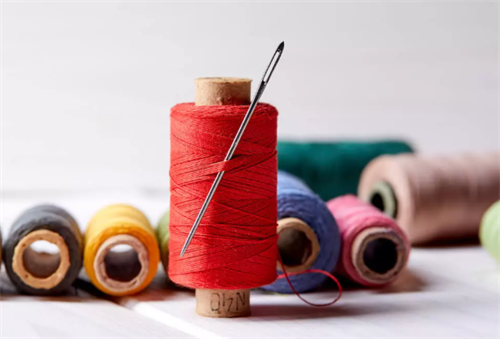
Over years of practice, I found that mastering just five stitches covers nearly all household sewing needs. These techniques integrate both traditional hand-sewing wisdom and contemporary advice.
1. Plain Stitch (Flat Stitch Sewing)
Use Cases: Temporary fixes, hems, minor holes.
Technique:
Pierce fabric from the back side, move forward 0.3–0.5 cm, and repeat.
Keep stitches uniform; too dense wastes time, too sparse is weak.
Tips:
Iron out creases first. Pin or use double-sided fabric tape to hold layers in place.
According to NHK Japan's Smart Clothing Maintenance Guide (2022), replacing pins with an iron-pressed method makes it easier for beginners.
2. Backstitch Sewing
Use Cases: Seams under tension, split crotches, torn pockets.
Technique:
One stitch forward, then a half stitch backward.
Each stitch reinforces the previous, creating machine-like strength.
Real Example: I repaired the crotch of an old pair of jeans with backstitching; the result was a seam as strong as the original.
3. Locking Eye Stitch (Edge Reinforcement & Decoration)
Use Cases: Prevent fraying on buttonholes or holes, decorative edges.
Technique:
Form continuous U-shaped loops along edges.
Tighten each loop for a neat finish.
Case Study: A small moth hole on a wool sweater was repaired using this method. Using a thread matching the fabric, the hole became nearly invisible, extending the sweater’s lifespan by several years.
4. Darning (Patchwork)
Use Cases: Socks, sweaters, moth damage on knits.
Technique:
Build “bridges” of thread across the hole, then weave perpendicular threads through them.
For beginners, thicker embroidery thread reduces time and increases strength.
Example: My first darning attempt on a wool sock heel took two hours with regular thread but only 30 minutes with embroidery thread.
5. Concealed Needle Stitch
Use Cases: Invisible seams inside garments, closing openings, loose seams.
Technique:
Alternate stitches between fabric layers, lifting minimal fibers.
Tighten carefully to hide the thread within the fabric.
Case Study: My daughter’s stuffed bear had a tear exposing cotton. Using this stitch, the repair was invisible—she thought I had “magically fixed it.”
Chapter 4: Advanced Stitching Insights
Beyond the essentials, traditional and global techniques offer additional versatility:
Mongolian Needle Techniques: Including punching stitch, winding stitch, quilting stitch, and overlock stitch, used for durable boots and embroidered patterns.
Long and Short Stitches: Used for temporary fixes; combine long and short stitches for strength and flexibility.
Diagonal/Zigzag Stitching: Effective for hemming trousers or reinforcing edges.
Visible vs. Invisible Stitching Philosophy: Blends aesthetics with functionality.
By gradually incorporating these methods, you can handle nearly any household sewing need.
Chapter 5: Stain Removal — First Line of Defense
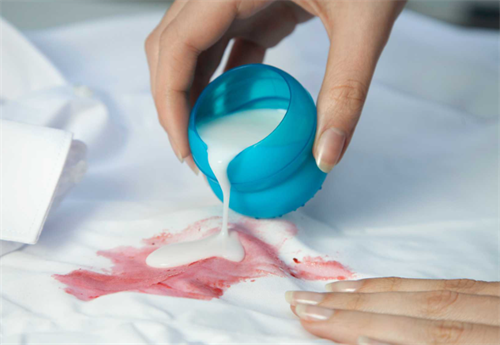
While mending prevents garment loss, stains often trigger disposal. Prompt and correct treatment is essential.
Golden Principles:
Act Quickly: Fresh stains are easier to remove than set-in stains.
Absorb First, Wipe Later: Prevents spreading.
From Outside to Inside: Prevents stain enlargement.
Solutions for Common Stains:
Blood: Cold water immersion, enzyme-based detergents. Hot water sets the stain.
Oil: Absorb with talcum powder, corn starch, or flour; treat with detergent, then wash.
Sweat: Mix vinegar and baking soda to neutralize acidic sweat. For white cotton, sunlight with lemon juice works naturally.
Ink: 75%+ alcohol on a cotton swab, applied from edges inward.
Coffee/Tea/Red Wine: Boiling water rinsing on heat-resistant fibers (cotton/linen only).
Case Example: My six-year-old daughter spilled coffee on a linen shirt. Using the steaming method, the stain was fully removed without discoloration, preserving a sentimental gift.
Chapter 6: Building a Clothing Care System
Mastery comes not only from skills but also from habit and routine.
Essential Tools:
Tool
Purpose
Various hand needles
Thin or thick fabrics
Matching threads
Basic colors and decorative options
Embroidery thread
Visible mending
Thread cutter
Correct mistakes
Pins
Hold fabrics; protect fingers
Scissors
Trim threads
Pre-treatment agents
Vinegar, baking soda, detergent, alcohol
Daily Care Process:
Post-Wear Inspection: Check for stains, loose buttons, or threads.
Separate Washing: By material and color; use laundry bags and turn garments inside out.
Pre-Treat Stains: Avoid high temperatures that set stains.
Proper Drying: Flat for knits; wide hangers for shirts; avoid stretching.
Quarterly Patching Day: Schedule a session to repair minor issues, making it enjoyable with music or podcasts.
When to Let Go: Items beyond repair can be recycled or repurposed. Seek professional services for delicate fabrics like leather or beaded garments.
Chapter 7: Real-Life Repair Case
A favorite cashmere sweater developed two small holes from moths. One on the chest was made into a visible patch, framed with contrasting thread; the cuff was repaired invisibly with concealed needle stitching. My daughter called the chest patch a “small badge,” illustrating how repairs can enhance both durability and aesthetic appeal.
Chapter 8: Long-Term Benefits of Clothing Care
Environmental: Fewer clothes in landfills.
Economic: Less frequent replacement.
Personal: Builds appreciation for your belongings.
Abby Seethoff sums it up: “Every piece of clothing, as long as you still want to wear it, is worthy of being treated seriously.”
Chapter 9: Practical Checklist
Phase 1 – Entry Level: Learn plain and backstitch sewing; handle blood and oil stains; repair a button.
Phase 2 – Intermediate: Practice lock-eye stitches and darning; treat sweat and ink stains.
Phase 3 – Advanced: Concealed stitches, visible decorative repairs, and full clothing maintenance systems.
By following these phases, adults managing households can acquire life-long skills for effective wardrobe management.
References:
[1] Environmental Protection Agency. (2023). Textiles in the U.S.: Waste and Recycling Statistics. https://www.epa.gov/facts-and-figures-about-materials-waste-and-recycling/textiles-material-specific-data
[2] Seethoff, A. (2024). Mending Matters: Extending the Life of Everyday Clothing. Brooklyn, NY: Mending Press.
[3] NHK Japan. (2022). Secrets of Smart Clothing Maintenance. Tokyo: NHK Publications.
[4] Electrolux. (2023). Clothing Care and Stain Removal Guide. https://www.electroluxgroup.com/en/clothing-care/
[5] Salon.com. (2024). Sustainable Fashion and Clothing Mending Statistics. https://www.salon.com/sustainable-fashion-mending
About the Author:
James Wilson is an American expert in household life skills and practical domestic management. With extensive experience in teaching and applying sewing, clothing care, and home maintenance strategies, he provides readers with actionable, real-world solutions to extend the lifespan of garments and manage households efficiently. James holds an LCSW and continues to engage in clinical work at [institution name], combining his professional expertise with practical household guidance.
Disclaimer:
This article is intended for educational and informational purposes. While the author strives for accuracy, the reader should exercise discretion when attempting sewing or stain removal techniques, particularly on delicate or valuable garments. The author is not responsible for any damage or injury resulting from the application of these methods.
Recommend:

My Rational Choice List for Upgrading and Downgrading Consumption

Budgeting and Purchasing Order for Acquiring Household Items after Purchasing My First Apartment

Stop Dreading Seasonal Cleaning: My Zone System That Cuts Fatigue by 50%

Our Family’s “Spring Cleaning” Checklist (Practiced for 3 Years) — And Why It Finally Works