
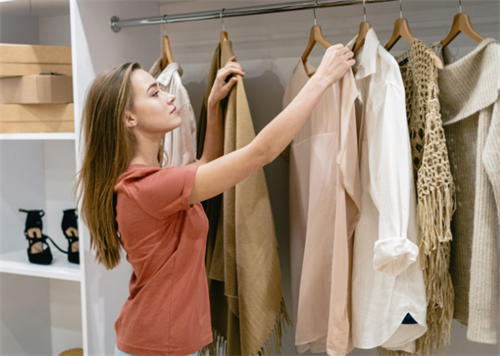
I used to think organizing a closet was mostly aesthetic — matching hangers, color blocks, and tidy shelves — until I saw what really happens to clothes over time. My sweaters began drooping at the shoulders, my cotton shirts lost crispness, and bulky items consumed way too much space. That’s when I began a systematic experiment at home: comparing hanging vs. folding across different fabric types to discover what truly preserves garment shape, longevity, and usability. What I discovered isn’t just personal preference — it’s grounded in textile behavior, fiber mechanics, and real-world results.
Why Storage Method Matters: More Than Meets the Eye
There's a common belief that hanging is automatically better because it looks nicer and reduces immediate wrinkles. But fabric is more than just fashion — it’s biology and physics. Different fibers react to gravity, compression, and tension in distinct ways. Research and practice show that storage choices can impact a garment’s:
Shape retention;
Fiber integrity;
Wrinkle formation;
Wear life;
For example, knitwear — because of its looped structure — can permanently stretch under the garment’s own weight when hung for long periods.¹ Meanwhile, structured woven fabrics like crisp cotton or linen maintain their shape better on a hanger.⁶ These interactions aren’t just opinions; they’re observable physical phenomena deeply tied to how fabric threads interact under load.
Step 1: Understand Your Fabrics Before Storage
Before deciding storage, I learned the importance of fabric identification. Most garments have labels, but sometimes those labels don’t tell the full story. Here’s what to watch for:
1. Knit Fabrics–Constructed by interlocking yarn loops, knits stretch more under gravity and can change shape when hung. Folded storage eliminates sustained vertical tension.¹
2. Woven Fabrics–These have perpendicular warp and weft threads providing structure. Woven shirts, trousers, or jackets often benefit from vertical hanging.⁶
3. Delicate Materials–Silk, chiffon, and other fine fibers are prone to creasing and abrasion. How you store them affects their texture and surface sheen.¹
4. Heavy or Bulky Fabrics–Thick cotton, denim, and wool blends can compress or distort depending on storage method.
Step 2: How Gravity and Fabric Mechanics Influence Garment Shape
Gravity isn’t just a force we feel — it’s a fabric stressor. When you hang a sweater, the weight tends to pull down on the shoulder loops, causing subtle stretching over time. In knit structures, that stretching isn’t fully reversible. Textile science confirms: knitted garments held in suspended tension show permanent deformation compared to those stored flat.¹
Woven items react differently. Their structured grids allow fibers to support shape under their own tension and maintain crisp lines when hung. That’s why dress shirts and tailored pieces often look best on hangers.
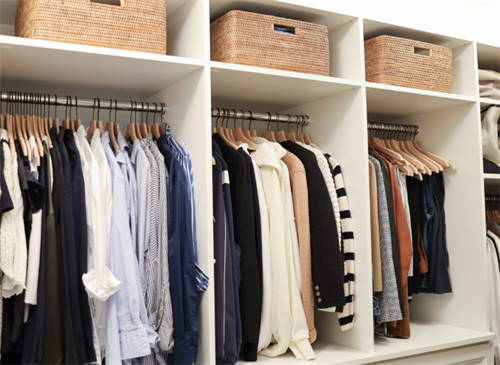
Step 3: The Practical “Hang vs. Fold” Framework I Use at Home
After months of testing at home, here’s the practical decision system I follow — organized by garment types:
A. Hang These — Preserve Shape and Reduce Creases
Dress shirts and blouses: Hang immediately after drying to reduce wrinkles. Use wide, non slip hangers.
Jackets, coats, and structured outerwear: Hanging maintains shoulder shape and drape.
Formal trousers and skirts with pleats: Use hangers with clips or bars to preserve the line of the garments.
Flowy fabrics (silk, chiffon, linen): Hanging prevents deep fold creases that become hard to remove.¹
These items benefit from vertical storage because their structure and fabric behavior accommodate gravity rather than succumb to it.
B. Fold These — Protect Fiber Integrity
Some garments do not play well with gravity and prefer flat, compression free storage:
Knitted sweaters and knitwear: Wool, cashmere, cotton knit sweaters stretch when hung because knit loops deform under tension. Folding prevents shoulder sagging and preserves elasticity.¹
T-shirts, activewear, and casual tops: Folded storage prevents unnecessary lengthening and saves closet space.
Jeans and heavy cotton pants (long term): Fold to avoid stress on seams and preserve pocket and inseam alignment.
Delicate silks (folded with care or rolled): Pretreat with breathable layers to avoid permanent fold lines.¹
Folding distributes weight horizontally, protecting looped and elastic structures from excessive gravity stress.
Step 4: Tools That Make a Difference in Your Closet
Not all hangers or folding methods are equal. Over the long haul, tools matter.
Best Hangers for Structure
Wide, contoured hangers: Support shirts, jackets, and coats without deforming shoulders.
Padded hangers: Ideal for delicate fabrics like silk or chiffon to avoid hanger marks.
Clip hangers: Best for pants and skirts with pleats or defined waistlines.
Best Fold Techniques
File fold: Fold garments vertically in drawers so each piece is visible — saves space and minimizes digging.
Flat fold: For heavier items like denim, folding along factory seams prevents unnecessary creasing.
Interleaved folding: Place acid-free tissue between knit layers to protect delicate fibers when folding.⁶
Step 5: Case Study — My Sweater Dilemma Solved
I used to hang all my sweaters — both bulky wool and fine knit cashmere — thinking it saved drawer space. After a few months, many of them showed elongated shoulders and loss of their original silhouette. Once I switched to folding, I noticed:
shoulder edges stayed taught,
fabric textures felt more resilient,
my drills for outfit selection became smoother and stress free.
This matches what textile specialists observe: knits stretch under gravity because their loop structure lacks lateral stability.¹
Step 6: Seasonal Rotation and Long-Term Preservation
An often overlooked part of storage is seasonal rotation. When summer clothes need space for winter items (and vice versa), I follow a simple routine:
Clean everything first: Storage in closets or bins with residual dirt accelerates fabric degradation.
Fold knits and store in breathable bins: Avoid plastic vacuum bags for long term storage — they trap moisture.
Hang structured garments with space: Allow airflow to avoid humidity buildup.
Rotate pieces every 6–12 months: This prevents permanent fold creases on items folded long term.
In textile conservation, rotating storage orientation and avoiding prolonged static positioning are known to help maintain fiber integrity.⁶
Step 7: Closet Zoning — Make Access Work for You
Beyond hang vs. fold, organizing where items live makes your daily routine smoother. I use zones:
Daily Wear Zone: Eye-level hanging space for frequently worn shirts, dresses, and pants.
Folded Drawer Zone: Lower shelves or drawers for folded garments like tees and sweaters.
Seasonal Storage Zone: Higher shelves or separate bins for off-season clothes.
Special Items Zone: Formal wear or delicate pieces with padded or specialty hangers.
This layout reduces retrieval time and keeps closet chaos under control.
Real Data Insights That Back These Choices:
Textile science shows hanging knitwear leads to permanent deformation due to vertical loads on loops — a real mechanical response observed in labs.¹
Structured fabrics like cotton poplin and linens hold shape under hanger support without significant fiber distortion.⁶
Proper folding techniques—especially using vertical stacking and drawer dividers — maximize space and reduce wrinkle formation.
These patterns show clear physical tendencies, not just styling preferences.
Avoiding Common Mistakes I Made Early On
Even with the right framework, execution matters. Here are pitfalls and fixes:
Mistake: Hanging bulky sweaters.
Fix: Fold them flat to avoid stretched shoulders.
Mistake: Using narrow wire hangers.
Fix: Replace with contoured velvet or padded hangers.
Mistake: Stacking knits in deep piles.
Fix: Limit stacks to 3–4 and use dividers so weight doesn’t compress layers.
These small adjustments made a big difference in garment longevity.
Why Not All Clothes Fall Into Clear Categories?
Some clothing items occupy a gray area. For example:
T-shirts: Can be hung or folded depending on closet space and wrinkle tolerance.
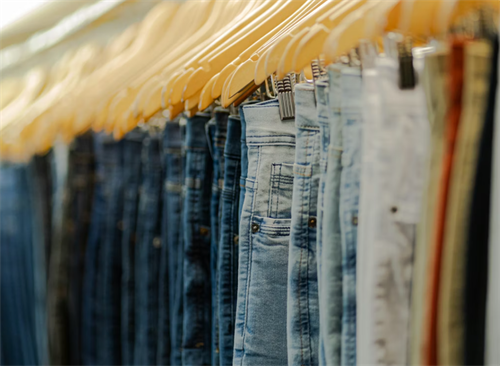
Jeans: Because of their weight, folding generally protects fabric better unless you hang by the waistband on a padded hanger.
Activewear: Elastic blends respond differently — frequent rotation and proper folding often outperform hanging.
Here, personal use frequency and closet space play a role.
Environmental Benefits of Good Storage Habits
Extended garment life isn't just practical — it’s environmentally responsible. Textiles account for a significant portion of global waste when replaced prematurely. By preserving shape, reducing unnecessary replacement, and optimizing storage, you reduce your ecological footprint.
Quick Reference Checklist
Always Hang:
Dress shirts;
Jackets and coats;
Skirts with pleats;
Silk or flowy fabrics;
Always Fold:
Wool and knit sweaters;
T-shirts and casual tops;
Heavy cotton pants (long-term);
Elastic or spandex garments;
Use Best Tools:
Velvet or padded hangers;
Drawer dividers;
Breathable storage bins;
About the Author:
Madeline Brooks, CPO, a Certified Professional Organizer with over 15 years of experience helping adults optimize home storage and daily routines. I specialize in wardrobe organization and practical household systems that reduce clutter, preserve clothing quality, and improve everyday efficiency. Over hundreds of households, I’ve combined evidence-based textile handling techniques with real-world usability to help clients save time and money while maintaining garment shape and longevity. This article reflects tested methods, personal experience, and careful research. My goal is to empower adults to create functional, sustainable wardrobe systems that support confident, stress-free living.
Disclaimer:
This article provides general household organization guidance and garment care principles. Individual fabric properties and manufacturer care instructions should guide specific storage decisions. Always check garment labels, and adapt techniques to personal needs.
References:
[1] Folded vs Hanging Sweaters: The Truth About Stretching. Alibaba LifeTips. Retrieved from https://www.alibaba.com/product-insights/folded-vs-hanging-sweaters-the-truth-about-stretching.html
[2] Hanging vs Folding Clothing: The Science-Based Decision Guide. Alibaba LifeTips. Retrieved from https://www.alibaba.com/product-insights/hanging-vs-folding-clothing-the-science-based-decision-guide.html
[3] 8 Clothing Items You Should Never Fold to Keep Them Looking Their Best. Martha Stewart. Retrieved from https://www.marthastewart.com/clothing-items-to-never-fold-8746925
[4] The Benefits of Folding vs. Hanging: Choosing the Right Method. Wood Blocks. Retrieved from https://www.wood-blocks.com/blog/the-benefits-of-folding-vs-hanging-choosing-the-right-method
Recommend:
My "Empty Counter" Kitchen Organization Method, Still Tidy After 6 Months

Sharing Wardrobes Without Arguments: How We Built Our “Clear Boundary Zones” System That Actually Works
Hands on Comparison: Hangers vs. Folding —The Ultimate Guide to Storing Clothes by Fabric Type
How I Learned to Let Go of Family Heirlooms: An Emotional & Practical Guide