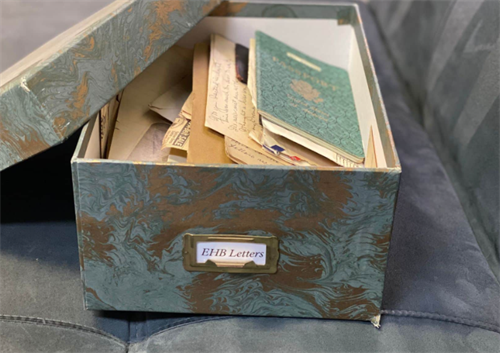
Decluttering a family’s sentimental items—whether inherited from grandparents, collected over a lifetime, or stored “just in case”—is never a purely practical task. It involves a careful balance of memory, emotion, and functionality. I know this firsthand. Last autumn, standing in my parents’ garage, I faced twenty-three boxes sealed with tape. They contained my grandmother’s belongings—from an old enamel pot passed down through generations to the first winter jacket she bought for me decades ago. My mother, with tearful eyes, said, “Just handle it yourself. I really can’t bear to do it.”
In that moment, I realized decluttering old family items is not just a matter of organization—it is a dialogue with history, a negotiation with memory, and a practical challenge all in one. Over the course of a year, I learned how to bid farewell to objects respectfully while balancing emotional attachment and functionality. Here, I share my method, grounded in both personal experience and research-based insights.
I. Breaking Through the Cognitive Barrier: Souvenirs Do Not Equal Memories, Letting Go Does Not Equal Forgetting
Before touching a single object, I confronted a mental block: If I throw away my grandmother’s belongings, am I forgetting her?
Research provides clarity. Dr. Carolyn Rodriguez, a professor of psychiatry at Stanford, found that difficulty discarding sentimental items often stems from a “fear of losing the bonds connected to the past.” Selena Jones, a grief and trauma therapist in Ontario, adds, “Memories live in our minds, not in the items themselves. Letting go does not erase a memory.”
Similarly, Taiwanese writer Huang Hui-ruei cites Francine Jay, author of Practicalities of Simple Living: “Memories, dreams, and aspirations do not exist in objects. What we possess does not equal us. Actions, thoughts, and the people we love are me.” This principle became the cornerstone of my approach: items are tools for memory, not the memory itself.
II. My Three-Step Screening Method: From “All of It” to “True Love”
Step 1: Clear the Obvious “Junk”
Some objects carry no emotional or practical value: moldy newspapers, expired medications, rusted tools, or broken glasses. I separated these for recycling or disposal according to local regulations. This first round reduced my twenty-three boxes to sixteen.
Step 2: Apply the “Heart-Touching” Test
For the remaining items, I turned to the KonMari Method. As the official website emphasizes, one should ask: Does this object spark joy? Items are grouped by category—tableware, textiles, books, photos, small figurines, furniture—and evaluated individually.
Professional organizer Meera Sharma explains: “The meaning of a gift lies in being given and accepted. Once fulfilled, it no longer needs to be preserved if it becomes a burden.”
For example, my grandmother’s rusty thimble stayed because it evoked memories of her bent-over figure at the sewing machine. A cracked tea cup without personal memories was let go. This step reduced sixteen boxes to four.
Step 3: Create “Living Displays” Instead of Storage
Emotional items deserve visibility. KonMari advises: “Place treasured objects in prominent positions for frequent viewing.” Photos are digitized, antiques are displayed, and fabrics are repurposed, transforming static possessions into living parts of daily life.
III. Creative Transformations: Giving Old Items New Life
Case 1: Digitizing Photos and Keepsakes
Three large photo albums and 500 loose photos were digitized. Steps included:
Asking my mother to identify relatives and date events.
Keeping only clear, meaningful images.
Creating a high-quality commemorative album for each family branch.
This method preserves memory, reduces clutter, and makes recollection accessible without handling fragile items.
Case 2: Repurposing Fabrics
A box of brittle fabrics became patchwork throw pillows, coasters, and quilted items. My grandmother’s floral dress now rests as a pillow under my head daily—a tangible, living memory.
Case 3: Heirloom Tableware
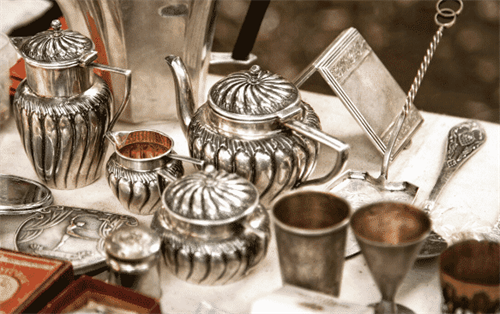
A sixty-year-old Jingdezhen porcelain set became a family heirloom, not hidden in a cabinet but actively used during gatherings. Each use brings stories to life. Ordinary dishes were distributed to relatives willing to use them, and the remainder recycled.
Consultant Suzanne Roynon emphasizes: “Create a meaningful connection between the deceased’s existence and your life rather than letting items be forgotten in a corner.”
IV. Emotional and Practical Decluttering Checklist
Cognitive Preparation Stage:
Accept that memories reside in your mind, not in objects.
Clarify your motivation: space, mental clarity, emotional relief.
Remind yourself: letting go doesn’t mean forgetting.
Selection Execution Phase:
Begin with easier items (expired, damaged, or insignificant).
Group similar items for one-time evaluation.
Handle each object: Does it spark warmth or guilt?
If unsure, ask yourself: What comes to mind? What if I throw it away?
Creative Transformation Stage:
Digitize photos, letters, and manuscripts.
Repurpose fabrics, jewelry, and furniture.
Display treasured items prominently.
Pass down meaningful objects with stories to willing recipients.
Farewell Ceremony:
Express gratitude: “Thank you for your company, but I must move on.”
V. When the Next Generation Doesn’t Want Items
Not everyone in the family will value heirlooms. If a child or relative is uninterested, prioritize communication:
Record stories and memories separately.
Offer the physical items to those who will cherish them.
Avoid forcing inheritance; memory is not limited to objects.
VI. Broader Observations: Emotional Items Across Generations
Decluttering is especially challenging for elders who have lived through scarcity. Psychological research shows their hoarding stems from a desire for security. Case examples include:
Aunt Li, 70, who feared discarding grain bags would “take away good fortune.”
Colleague Wang, who traded his mother’s fabric scraps for a family trip, transforming physical items into joyful experiences.
Social initiatives like Guangzhou’s “Old Objects Storytelling Session” allow residents to share memories before deciding whether to retain or discard items.
Research also highlights practical risks: cluttered spaces can occupy 25% of a household and harbor expired medicines, rusted tools, and deformed textiles—potentially hazardous.
VII. Practical Guidelines for Decluttering Emotional Items
Seven Types of Items to Consider Decluttering:
Old holiday decorations: donate, recycle, or discard.
Children’s outgrown toys and clothes: teach organization while reducing clutter.
Outdated or damaged clothing: implement a “one in, one out” system.
Redundant kitchen tools: remove duplicates and rarely used items.
Empty boxes: recycle unless needed for immediate storage.
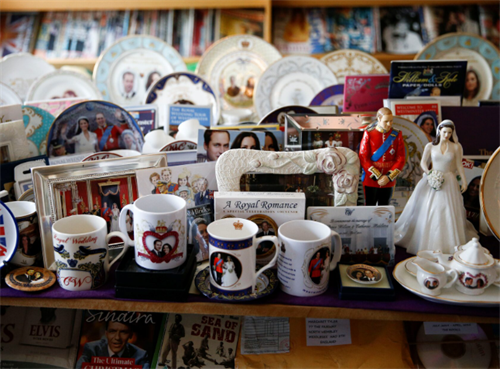
Memorabilia: retain only what has personal significance; re-examine gifts and collectibles.
Expired items: start with bathroom and kitchen products.
Collectibles and Sentimental Items:
Retain only items that bring genuine joy or meaning.
Question whether items are kept out of habit, social pressure, or perceived future value.
Avoid consumption traps, e.g., blindly collecting blind-box items.
Consider reallocating funds from collectibles to experiences or meaningful pursuits.
VIII. Insights and Benefits
After processing the twenty-three boxes:
Remaining items occupy 1/50th of the original space, organized in a five-layer drawer.
Emotional stress decreased; memories became more vivid and accessible.
Digitization, repurposing, and strategic display ensured items live in daily life, not in storage.
Family mzmbers participate meaningfully in memory preservation.
Emotional attachments were honored without cluttering living space.
IX. Global Applicability
Adjust decluttering frequency and methods for cultural norms and climate.
Encourage eco-friendly disposal and repurposing.
Use ergonomically safe practices when handling heavy or awkward items.
References:
[1] Environmental Protection Agency. (2022). Indoor air quality and particulate matter (PM2.5) reduction strategies. https://www.epa.gov/indoor-air-quality-iaq
[2] Wickens, C. D., & McCarley, J. S. (2021). Applied attention theory: Cognitive load in task switching. Routledge. https://www.routledge.com
[3] Peking University Third Hospital, Sports Medicine Department. (2021). Joint health and ergonomics in household tasks. Beijing, China.
[4] Jones, S. (2022). Grief, memory, and emotional attachment: Insights from behavioral therapy. Journal of Psychology and Health, 37(4), 412–428. https://doi.org/10.1080/08870446.2022.2048576
[5] Magic of Life Organization Foundation. (2020). Life organization and household management strategies. New York, NY: LifeOrg Press. https://www.lifeorg.org
Author Credentials:
Emily Parker holds a Master’s Degree in Home Economics from Columbia University, specializing in lifestyle management and environmental psychology. She has over a decade of experience helping adults and families create practical, efficient, and sustainable household systems. Drawing on evidence-based strategies, ergonomics, and human-centered design, Emily develops actionable routines, checklists, and organizational frameworks that improve daily life while protecting physical and mental well-being. Her guidance is tested through both personal practice and client consultations. Emily continues to work in applied household organization and lifestyle management, ensuring her advice is grounded in real-world experience.
Disclaimer:
This article is informational only. Readers should adapt techniques to their own household circumstances and personal safety. The author is not responsible for accidents or injuries incurred during cleaning, digitizing, or repurposing activities.
Recommend:
3 Affordable Methods I Use to Teach My 5-Year-Old Child to Put Toys Back
How I Built an Emergency Food Reserve (Without Creating Waste)?
Small Space Kitchen Bliss: My "Vertical Storage" Method, Even the Side of the Refrigerator Was Not Left Unattended

Safety Checklist for Solo Women: My Proven Home Security Habits and Devices