It was an ordinary November evening when the wind outside began to roar.
Within hours, the power went out.
That winter storm in 2022 left our home without electricity for five full days.
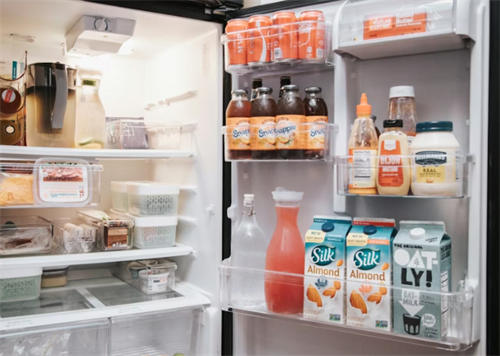
By the third day, everything in our refrigerator had spoiled. Roads were blocked, grocery stores were closed, delivery services had stopped, and our carefully planned routines collapsed overnight.
For two days, my family relied on a single packet of expired biscuits and a bottle of water given by a neighbor.
The real discomfort wasn’t hunger — it was helplessness.
That moment changed how I viewed responsibility as the person managing my household.
Emergency preparation is not about fear.
It is about stability.
And over the past three years, through mistakes, waste, and repeated adjustments, I developed a practical emergency reserve system — one that balances:
• Preparedness
• Nutrition
• Shelf life
• Daily usability
• Waste control
This guide shares that system in full.
Why Emergency Food Storage Is Not “Anxiety” — It’s Stability
Many people hesitate to prepare reserves because they worry it creates unnecessary panic.
But historically, households always stored grain.
Modern convenience — daily grocery access and delivery services — has replaced resilience with dependence.
Today, disruptions can come from:
Extreme weather;
Power outages;
Supply chain interruptions;
Temporary unemployment;
Illness;
Transportation shutdowns;
Government agencies like the Federal Emergency Management Agency recommend every household maintain at least 3 days of food and water, while the American Red Cross suggests up to two weeks.
Household reserves don’t compete with national preparedness — they support it.
When families are prepared individually, pressure on public systems decreases.
The Three Essentials of Real Survival
Through research and lived experience, one truth stands out:
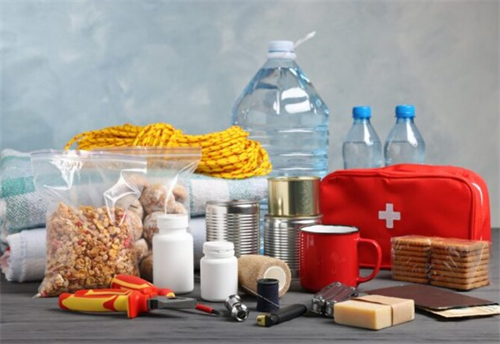
Every household emergency system must cover:
Food
Water
Medicine
Preparedness fails when one of these is overlooked.
The question is not whether to prepare — but:
How can we store effectively without creating waste?
My Core Lesson: Stock Variety, Not Volume
My first attempt at preparedness failed.
I bought large quantities of foods:
My family didn’t like;
That required cooking;
That expired before use;
The result?
Wasted money and expired cans.
The solution was not buying more — but buying smarter.
I shifted to:
Different shelf lives
Different flavors
Staggered purchasing throughout the year
This reduced expiration risk and aligned reserves with real consumption habits.
For example:
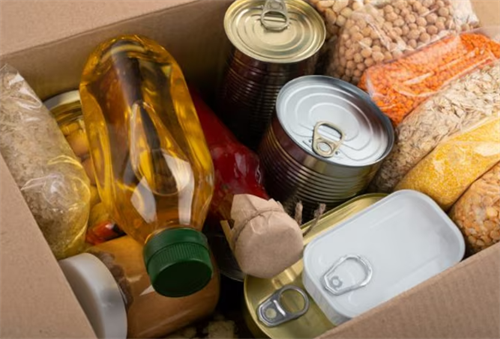
Vacuum-sealed rice and noodles: 1–2+ years
Compressed emergency biscuits: 2–20 years
Freeze-dried meals: 10+ years
Instead of replacing everything at once, my system now evolves continuously.
The Psychological Truth: A Reserve Is Also Emotional Security
Preparedness isn’t just physical.
In emergencies, familiar foods provide:
Comfort;
Stability;
Emotional reassurance;
That’s why emergency food must reflect family preferences, not survival theory.
For example:
My children dislike tuna — so tuna is not part of our core reserve.
But they love:
Oatmeal;
Corn;
Fruit cups;
So those became staple items.
Preparedness must be human-centered, not theoretical.
My Three Principles of Emergency Reserves
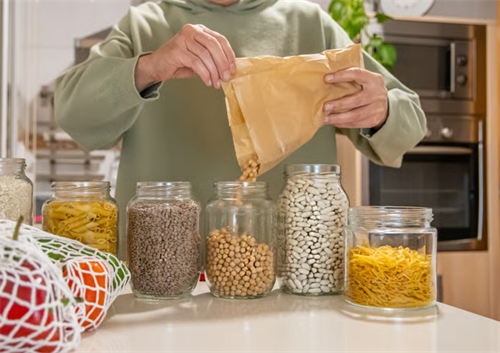
1. Family-Centered Planning
Your reserve must reflect:
Household size;
Dietary needs;
Age differences;
Preferences;
Allergies;
Preparedness is not a competition — it is a support system.
2. The “Three Non-Dependence” Rule
Ideal emergency food should not depend on:
Refrigeration;
Complex cooking;
Large water usage;
Because during disasters, these may disappear.
Ready-to-eat or low-prep foods provide resilience.
3. Rotation Is More Important Than Stockpiling
The biggest hidden risk isn’t scarcity.
It’s expiration.
My breakthrough came when I stopped treating reserves as storage — and started treating them as a living system.
My Three-Level Emergency Reserve System:
After years of refinement, I structured our household reserves into three layers.
Level 1: 72-Hour Survival Kit
This is immediate-use emergency support.
Stored in a portable container.
Per person:
1 gallon water/day;
~2000 calories/day;
Family of four example:
12 gallons bottled water;
24 energy bars;
Peanut butter;
Instant oatmeal;
12 tuna cans;
Fruit cups;
Whole grain cookies;
Tools:
Manual can opener
Disposable utensils
Portable stove
Refrigerator thermometer
Level 2: Two-Week Household Reserve
This supports longer disruptions.Includes:
Staples:
Rice
Pasta
Oats
Flour
Proteins:
Canned meat
Sardines
Beans
Nut butter
Produce:
Canned vegetables
Canned fruits
Nutrition Support
Multivitamins
Electrolytes
Flavor & morale
Mushrooms;
Seaweed;
Shelf-stable milk;
Level 3: Daily Dynamic Reserve
This is the most overlooked layer.It integrates preparedness into everyday life.Examples:
Long-lasting vegetables
Potatoes
Pumpkin
Cabbage
Durable fruits
Apples
Citrus
Handling techniques:
Do not wash before storage
Remove damaged leaves
Blanch & freeze when needed
This layer ensures:
You always have usable fresh food — even during disruptions.
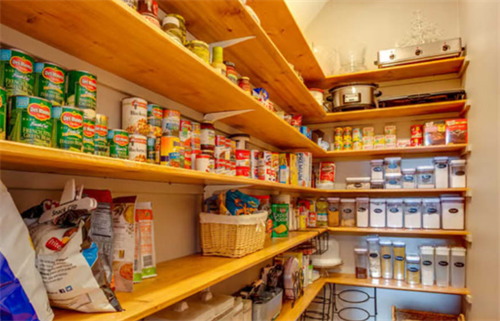
Advanced Long-Term Reserve Foods
To balance practicality and longevity:
Energy staples
Honey (natural preservation)
Rice & grains
Pasta
Proteins
Dried meat
Canned fish
Milk powder
Comfort foods
Instant coffee
Dark chocolate
Nutrient boosters
Dehydrated vegetables
Legumes
Seeds
These extend both physical nutrition and morale.
Water: The Hidden Priority
Water is heavier and harder to store than food.
So flexibility matters.
Combine:
Bottled water
Water purification tablets
Backup filters
Storage rotation every 6 months ensures safety.
Medicines: The Overlooked Pillar
Emergency readiness should include:
Pain relief;
Disinfectants;
Burn treatment;
Anti-diarrheal medication;
Personal prescriptions;
Storage should match individual health needs.
Annual replacement prevents degradation.
My Rotation System: Making Reserves “Alive”
FIFO Shelf Method
Left: New items
Middle: Active use
Right: Near expiration
Always consume from the right.
Mark purchase dates — not expiration dates.
Monthly “Reserve Night”
Once per month:
We cook only from stored food.
Benefits:
Rotation;
Familiarity;
Family engagement;
Children see it as a “survival challenge.”
Weekly Integration Rule
Each week, at least one dish includes reserve ingredients.
Examples:
Canned corn salad
Tomato pasta
Ham fried rice
This prevents accumulation.
Seasonal Inventory
Twice yearly:
Check expiration dates
Adjust preferences
Test tools
During one review, I discovered my child no longer liked pear cups.
Instead of wasting them:
I donated them and replaced with peach varieties.
The “Supermarket as Warehouse” Strategy
Inspired by modern emergency logistics:
Choose reserve foods that are also:
Regularly consumed;
Easily replenished locally;
Daily shopping becomes automatic rotation.
No extra management needed.
Food Safety During Power Outages
According to USDA guidance:
Keep refrigerator closed
Safe window: ~4 hours
Freezer: ~48 hours
Discard:
Food above 40°F for 2+ hours
Flood-exposed items
Golden rule:
When in doubt — throw it out.
Waste Reduction Through Smart Shelf Diversity
Balance:
Short-term foods;
Mid-term foods;
Long-term foods;
Example mix:
Fresh produce;
Canned goods;
Freeze-dried meals;
Long-life emergency biscuits;
Different lifespans reduce simultaneous expiration.
Practical Start Plan
Week 1
Buy:
3 days water
Energy bars
Store in one location.
Month 1
List durable foods you already eat.
Buy one extra per shopping trip.
Month 3
Build full three-tier system.
Conduct first inventory.
Final Reflection
Emergency reserves are not about fear.
They are about:
Care
Responsibility
Stability
That night in the storm, I promised myself:
My family would never feel that helpless again.
Now, when severe weather approaches, I don’t feel anxiety.
I feel calm.
Because preparation is the quietest form of protection.
References:
[1] Federal Emergency Management Agency. (2023).Build A Kit.https://www.ready.gov/kit
[2] American Red Cross. (2024).Emergency Preparedness: Food and Water in an Emergency.https://www.redcross.org/get-help/how-to-prepare-for-emergencies/survival-kit-supplies.html
[3] United States Department of Agriculture Food Safety and Inspection Service. (2023).Food Safety During Power Outage.https://www.fsis.usda.gov/food-safety
[4] World Health Organization. (2022).Household Water Treatment and Safe Storage.https://www.who.int/publications/i/item/household-water-treatment
[5] Food and Agriculture Organization of the United Nations. (2023).The State of Food Security and Nutrition in the World.https://www.fao.org/publications
About the Author:
James Wilson is an emergency preparedness educator and household resilience specialist with over a decade of experience helping families sustainably manage crises and daily life challenges. With certifications in emergency planning and nutrition management, Christopher creates practical, evidence-based guides that empower adults to take control of their households. His work integrates authoritative research, real-world case studies, and actionable systems tailored to everyday family life.
Disclaimer:
This article aims to share family emergency food storage suggestions based on personal experience and professional knowledge. The specific brands, quantities of products, and recommendations mentioned herein are for reference only and do not constitute mandatory standards. Each family's actual situation (including the number of members, age, health condition, dietary restrictions, living environment, etc.) is different. Please adjust the storage plan according to your own needs. The storage and handling of emergency food should follow basic food safety principles. Do not consume food that is expired or suspected to be spoiled. In the event of an actual disaster, please follow the official guidelines of the local government and emergency management departments. The author and this website do not assume any responsibility for any direct or indirect consequences arising from the use of the information in this article. Pregnant women, infants, the elderly, and family members with special health conditions should consult professional medical personnel before formulating an emergency diet plan.
Recommend:

From Chaos to Order: My Step-by-Step Bedroom Corner Hanging Storage System for Clean Clothes

My Rational Choice List for Upgrading and Downgrading Consumption

The 1+3 Drink Rule: How I Host Gatherings Without Bartending
How I Built an Emergency Food Reserve (Without Creating Waste)?