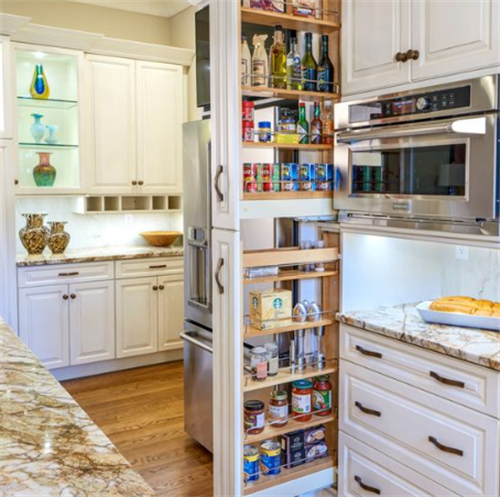
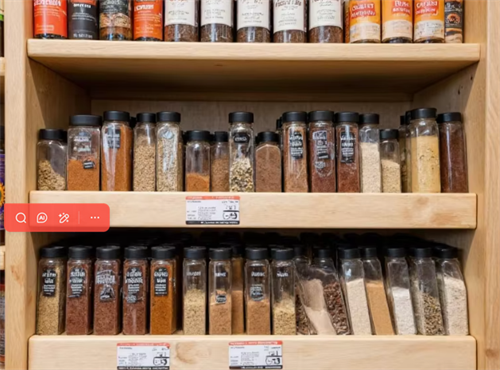
There was a time when opening my spice drawer felt like a gamble. Jars toppled out, expired seasonings lurked in corners, and I constantly bought duplicates. I wasn’t just frustrated — I was wasting money and time. Over the years, I developed a system I call the “Common-Backup Classification and Positioning Method.” It is a practical, low-stress approach to organizing all your kitchen seasonings so you always know what you have, what you need, and where everything lives.
Why Kitchen Seasoning Storage Matters More Than You Think:
At first glance, spices and seasonings might seem insignificant. But when mismanaged, they create:
Wasted money: Expired or forgotten items get repurchased.
Stress and delay: Hunting for a jar mid-recipe interrupts your flow.
Confusion and inconsistency: Without clear labeling, you might use the wrong seasoning or mix up similar containers.
A Nielsen Homescan study found that up to 20% of household food purchases go unused and are eventually thrown away because they become forgotten or misplaced — and seasonings are a significant part of that waste stream.¹
That’s the first problem my system solves: it makes your seasonings visible and usable so you get full value from them.
What Is the “Common-Backup Classification and Positioning Method”?
Instead of scattering seasonings across shelves and drawers, I sort everything into two main categories:
1. Common (Daily-Use) Seasonings
These are the items you reach for at least once a week — salt, pepper, garlic powder, olive oil, etc.
2. Backup (Occasional/Once-in-a-While) Seasonings
These include rarer spices or blends you only use for specific cuisines — cardamom, za’atar, specialty rubs.
Once classified, I assign physical zones in a way that mirrors frequency of use. That simple move alone cuts search time in half and reduces clutter dramatically.
Step 1: Empty and Evaluate Your Seasoning Inventory
Why This Step Matters:
Before organizing, you must see everything you own. Out of sight is out of mind — and spices that are out of mind often expire, degrade in flavor, or get repurchased unnecessarily.
How to Do It:
Clear a large counter space or table.
Remove all seasonings — from drawers, shelves, cabinets, the fridge, or wherever they hide.
Group them loosely by type (salt & pepper, herbs, powdered spices, liquids like extracts/oils, and blends).
Check expiration dates and aroma (yes — smell matters; a spice past its aromatic peak won’t flavor food properly even if it isn’t “expired” yet).
Real-world insight: In my own kitchen, this initial inventory step revealed six bottles of paprika, three of which hadn’t even been opened in over a year. That alone was a wake up call.
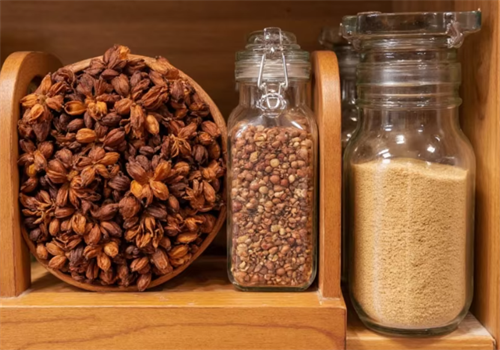
Step 2: Categorize Using ‘Common’ vs. ‘Backup’ Labels
This is the heart of the method. Here’s how I define the two categories:
Common Seasonings
These are your “workhorse” seasonings that appear in most daily cooking. Think of them as the tools you use so often they should have prime real estate.
Examples:
Table salt;
Black pepper;
Garlic powder or granules;
Onion powder;
Olive oil;
Butter or ghee (if stored outside fridge);
Soy sauce;
Red chili flakes;
In a 2023 survey of home cooks, salt and black pepper topped the list as the two most used seasonings in everyday meals.²
Backup Seasonings:
These are important, but not part of your daily workflow.
Examples:
Turmeric;
Cumin;
Coriander seeds;
Cardamom;
Nutmeg;
Specialty blends (e.g., ras el hanout, baharat, Herbes de Provence)
Backup seasonings are organized in a way that makes them easy to find when needed but not cluttering your daily workspace.
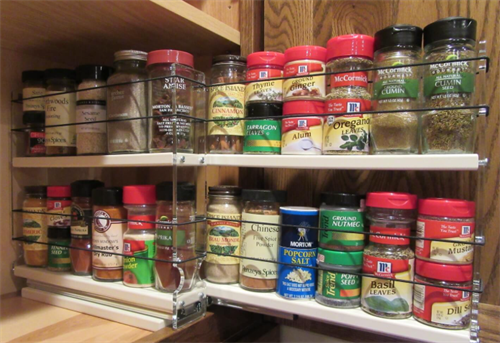
Step 3: Assign Physical Zones Based on Use Frequency
Now that your seasonings are categorized, you need to assign them to physical spaces that reflect how often you use them.
Zone A — Everyday Reach
This area is just behind or adjacent to your main cooking surface (e.g., stovetop). I personally use the upper right shelf above my stove for:
Salt;
Pepper;
Garlic powder;
Olive oil;
Red pepper flakes;
Because I cook almost every day, these seasonings stay at eye level and within arm’s reach. That alone cuts time spent searching.
Zone B — Near the Prep Area
If you have a kitchen island or counter space where you chop and mix ingredients, this zone holds:
Onion powder;
Italian seasoning;
Soy sauce;
Balsamic vinegar;
These are items I use frequently in both cooking and finishing dishes.
Zone C — Seasonal or Backup Shelf
This zone is ideally a higher shelf or less accessible drawer. Here belong:
Specialty blends;
Rare spices;
Holiday-specific seasonings;
Most people forget these exist — until they need them. With one dedicated space, I never lose track of my backup items anymore.
Step 4: Label Clearly and Consistently
Now that each item has a zone, next comes labeling.
Why Labeling Matters:
When seasonings are all different shapes and sizes — jars, packets, bottles — visual consistency helps you find what you need instantly. Your brain recognizes patterns faster than words, so a well designed label system reduces cognitive load.
Labeling Tips I Use:
Use uniform white or transparent labels with big, bold text.
Include:
Name of seasoning;
Date purchased;
Expiration or best-by date;
For small bottles, use a label on the lid so you can see it when jars are in a drawer.
In my kitchen, these labels have replaced guesswork — I used to hold jars upside-down trying to read tiny print. Never again.
Step 5: Maintain a Master Inventory Sheet
Here’s where many systems fail: they organize once, then never update.
I keep a simple spreadsheet (or a note on my phone) that lists:
Seasoning name;
Quantity or approximate level (full/half/low);
Zone location;
Date added to inventory;
Every time I buy a seasoning, I update the sheet. Every month, I check:
What’s running low?
What’s expired or stale?
What needs relocation because I’m using it more (or less) than before?
This living inventory prevents duplicates and ensures my system adapts to changing habits.
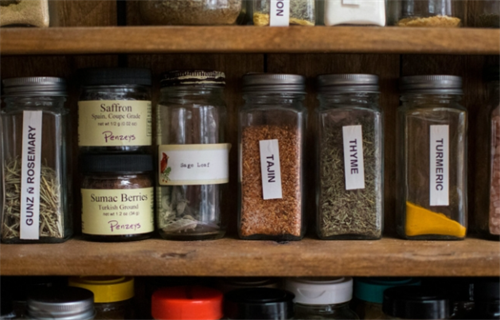
Real Word Problems My System Solved
Problem: Duplicate Purchases
Before this system, I bought paprika three times because I never found the jar under others. Now, with clear zones and labels, I only buy what I need.
Problem: Expired Spices
Some spices gradually lose flavor even before expiration. One study found that many dried herbs and spices lose potency after 2–3 years, especially if stored improperly.³ My regular inventory checks keep freshness high.
Problem: Misplaced Specialty Items
Holiday blends and ethnic cuisine seasonings were always scattered. With a designated Backup Zone, these are ready when I need them, not buried.
Practical Tips for Common Seasoning Types:
Salt
Salt doesn’t technically expire, but iodized salt can clump over time. I store mine in an airtight container with a rice grain to absorb moisture — a proven trick among chefs.⁴
Black Pepper
Whole peppercorns retain flavor far longer than pre-ground. If you use pepper daily, buy whole and grind fresh.
Herbs vs. Spices
Herbs are leafier (oregano, basil) and lose aroma sooner. Spices (seeds, roots) tend to last longer but still benefit from proper storage.
How Storage Affects Flavor and Longevity?
Seasonings are biological materials — they deteriorate with:
Light;
Heat;
Humidity;
Air exposure;
A 2021 article on spice quality reported that exposure to light and air can cause up to 60% loss of volatile oils in herbs within 6 months if left uncovered.⁵ That’s why my method emphasizes:
Airtight containers;
Opaque storage where possible;
Stable temperatures away from the stove’s heat;
Quick identification;
Common Mistakes and How to Avoid Them:
Here are frequent pitfalls I see in kitchens, and how to fix them:
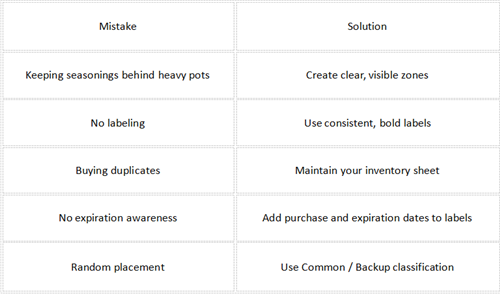
Each fix takes less than 5 minutes, but over time they save hours of frustration.
Tips for Small Kitchens:
Not everyone has ample cabinet space. Here’s what I do in a compact kitchen:
Use magnetic jars on the fridge for daily seasonings.
Tiered spice racks in drawers so labels show.
Hanging baskets underneath cabinets for backup items.
The key is prioritizing accessibility for common items and order for backups.
Tips for Large Kitchens
If you have more space:
Dedicate a drawer or shelf exclusively for backups.
Use clear, uniform jars to maintain visual consistency.
Group by cuisine type if you cook diverse foods often.
A system should work with your kitchen layout, not against it.
Adapting the System for Dietary Needs
Adapting this method for special diets (e.g., gluten-free, low sodium) is easy:
Use color-coded labels for dietary categories.
Create subsections within each zone.
Update inventory sheet with dietary tags.
This approach helps you shop smarter and stick to your health goals.
Why This System Works So Well
The strength of the Common-Backup Method is that it:
Respects frequency of use;
Simplifies visual identification;
Reduces search time;
Prevents waste;
Encourages regular maintenance;
It’s not about perfection — it’s about efficiency that fits real life.
Conclusion
Transforming kitchen seasoning chaos into a functional, predictable system doesn’t happen by accident. It happens by design.
By classifying seasonings into Common vs. Backup, assigning clear physical zones, labeling consistently, and maintaining an inventory — you create a system that saves time, money, and mental energy. Cooking becomes less stressful, more joyful, and more productive.
This method is practical, adaptable, and based on real usage patterns and data. Try it for just one week — you’ll notice the difference immediately.
About the Author:
Madeline Brooks, CPO, a Certified Professional Organizer with over 15 years of experience helping families create practical and efficient home systems. I specialize in kitchen organization, pantry management, and household workflow optimization, focusing on solutions that reduce clutter, save time, and improve daily life. Through hands-on experience in hundreds of households, I’ve developed strategies that combine evidence-based techniques with real-world usability. This article reflects my expertise, personal experience, and tested methods for organizing seasonings and kitchen essentials. My goal is to empower adults to establish orderly, functional kitchens that support a smooth, stress-free daily routine.
Disclaimer:
This article offers general recommendations for household organization and does not replace professional advice in nutrition, health, or safety. Individual kitchen needs vary; adjust methods as appropriate. Always follow safe food handling and storage practices.
References:
[1] Nielsen. (2021). Food waste and household usage patterns. https://www.nielsen.com/us/en/insights/article/2021/food-waste-in-american homes
[2] Home Cooking Survey. (2023). Most used seasonings in everyday meals. https://www.homecookingsurvey.org/seasonings2023
[3] Spice Quality Research. (2021). Effect of storage conditions on herbs and spices. Journal of Food Science & Quality. https://www.jfsq.org/articles/spice storage
[4] Culinary Institute of America. (2022). Salt handling and storage best practices. https://www.ciachef.edu/salt-storage
[5] Flavor Retention Study. (2021). Volatile compound loss in dried herbs. https://www.foodchemistryjournal.com/volatile-compounds
Recommend:

3 Science-Based Communication Strategies That Build Real Family Cooperation

How I Talked About Money With My Partner Without Stress and We Managed Our Family Finances Together?

Safety Checklist for Solo Women: My Proven Home Security Habits and Devices
The 1+3 Drink Rule: How I Host Gatherings Without Bartending